
Hibiscus Tea for High Blood Pressure?
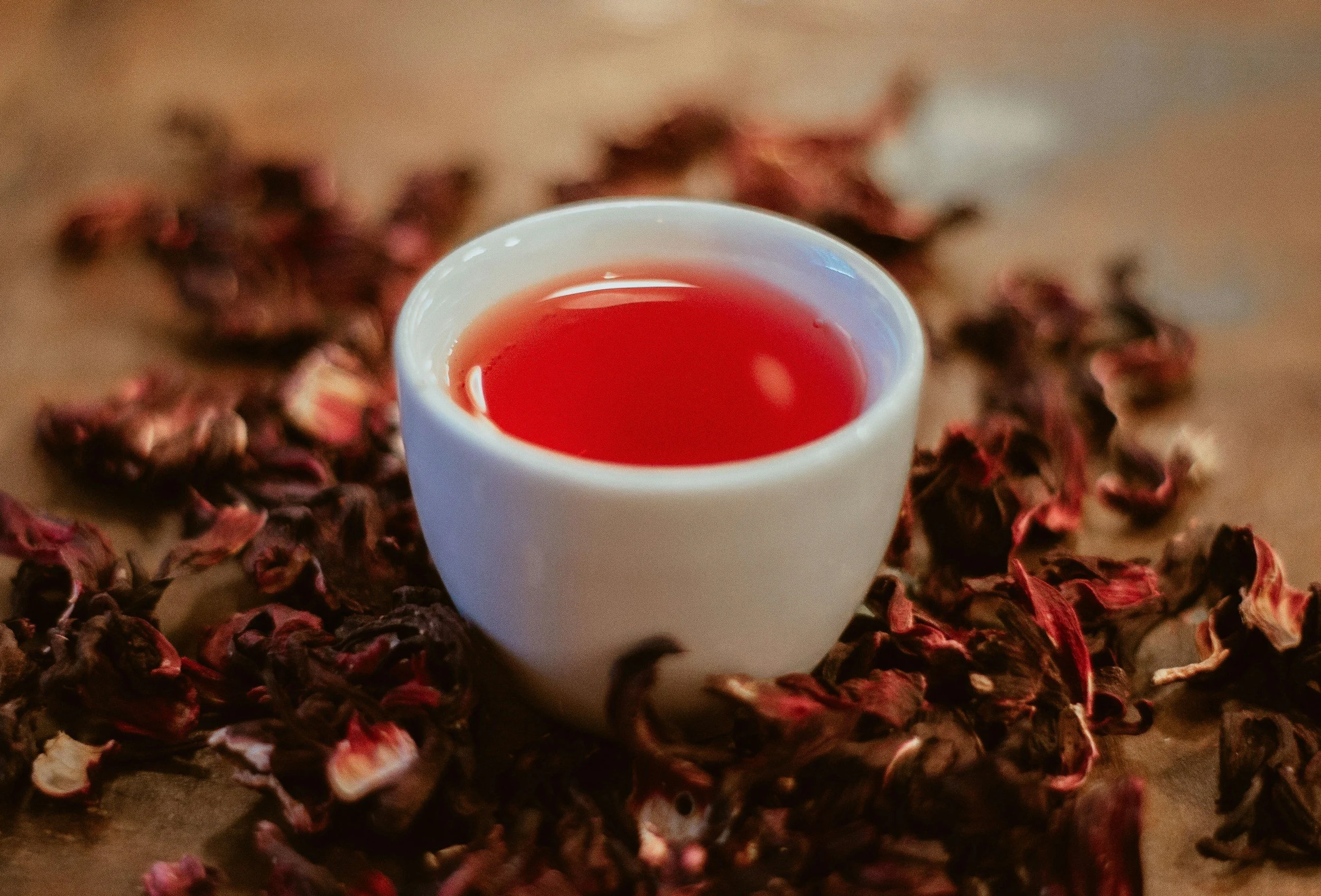
I am of Jamaican heritage, where Sorrel (Hibiscus) Drink is so deeply rooted in the culture that it is not just a drink, it’s a delicious Christmas tradition! Sorrel drink is made from the Hibiscus sabdariffa plant, and growing up my great grandmother would pick the fresh vibrant red Sorrel, ready to make the drink and say ‘it’s good for the heart and liver!’
Many years ago, I discovered quite by accident that Hibiscus Tea lowers blood pressure naturally! So one New Years, after the Christmas season, we had half a packet of dried Hibiscus left over, and I decided to throw some in a teapot. We added some fresh ginger, cinnamon, clove and a dash of raw honey, and not suprisingly, it made a lovely tasting tea.
For the next couple of weeks, my Mum and I enjoyed a cup of Hibiscus tea most mornings. But then my Mum started to notice feeling light headed, especially when standing up, from a bending or sitting position. When I checked her blood pressure, I was horrified to see that her readings were VERY low (85/55). Now, what is considered low blood pressure is a family trait for us, and her blood pressure naturally sits around 92/62, so this was worrying. We booked an urgent appointment with her GP, who gave her a health check and blood tests. Although all of her tests returned normal, her GP asked if there was anything different that she had been eating or drinking, and that’s when we mentioned the hibiscus tea over the last couple of weeks. We were then informed that Hibiscus tea lowers blood pressure, and that she should avoid it!
Hibiscus tea has been shown to have similar hypotensive effects as ACE inhibitors like Captopril, effectively lowering blood pressure without significant side effects. This makes hibiscus a promising natural alternative for managing hypertension¹.
Research on adults with mild hypertension was published in the Journal of Nutrition showing that drinking hibiscus tea (240ml) 3x daily for six weeks lowered systolic and diastolic blood pressure².
As conventional anti-hypertensive medications can have significant side effects, including inducing nutrient deficiencies which can trigger other health issues, supporting the body and blood vessels naturally with Hibiscus tea could be very useful, especially over the long term.
Healthy Blood Vessels Help Regulate Blood Pressure
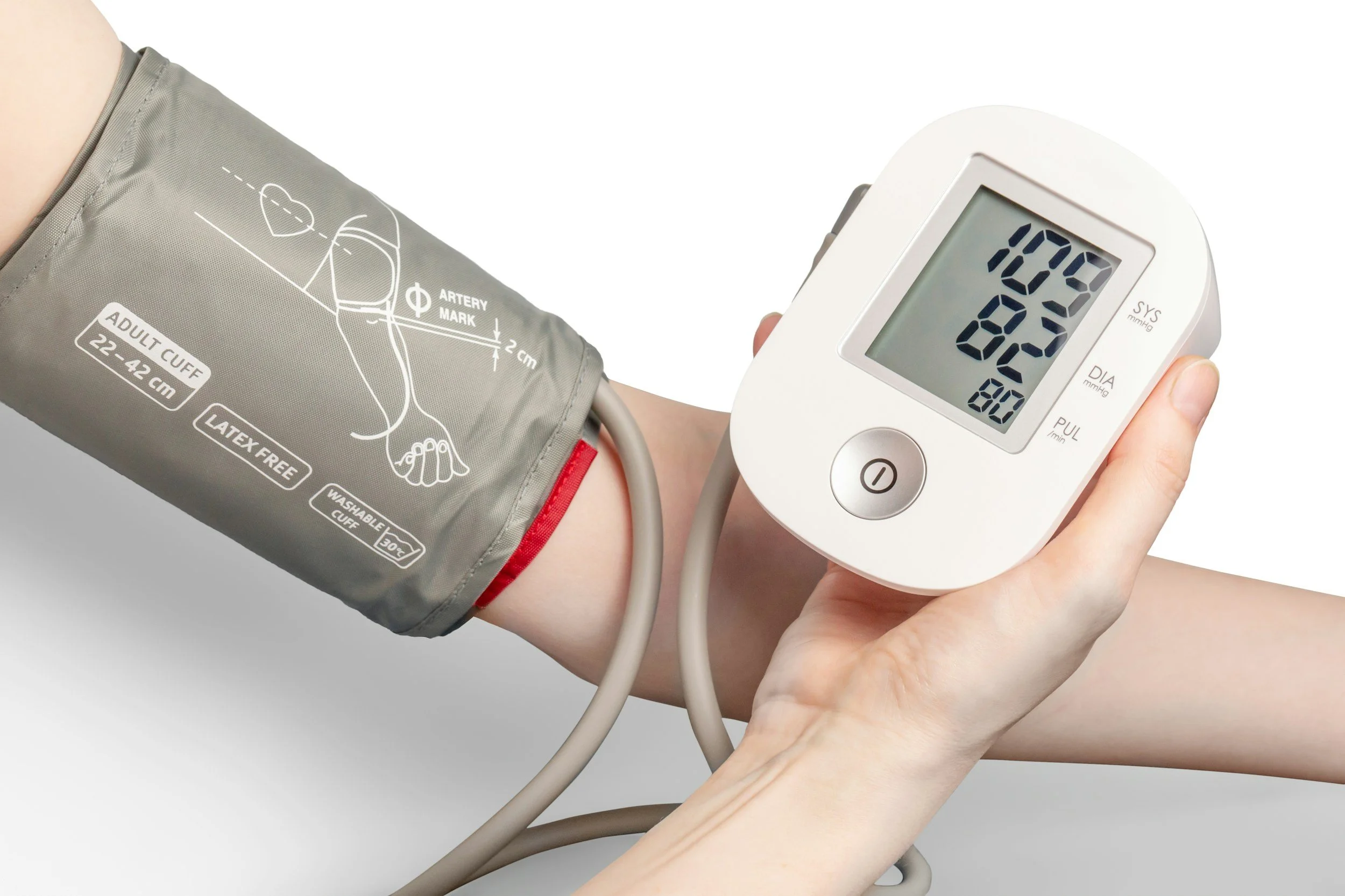
Blood vessels are not simply pipes. They are living tissues that constantly adjust blood flow to meet the body's changing needs.
Lining every blood vessel is a thin layer of cells called the endothelium. One of its most important jobs is producing small carefully regulated amounts of a signalling molecule that tells blood vessels when to relax. This allows blood to flow more freely, reducing the effort needed to circulate it around the body.
As we age, or if oxidative stress, poor nutrition, smoking, persistently raised blood sugar or chronic inflammation damage the endothelium, blood vessels gradually lose some of their flexibility. The heart must then generate more pressure to maintain circulation.
How Hibiscus May Help
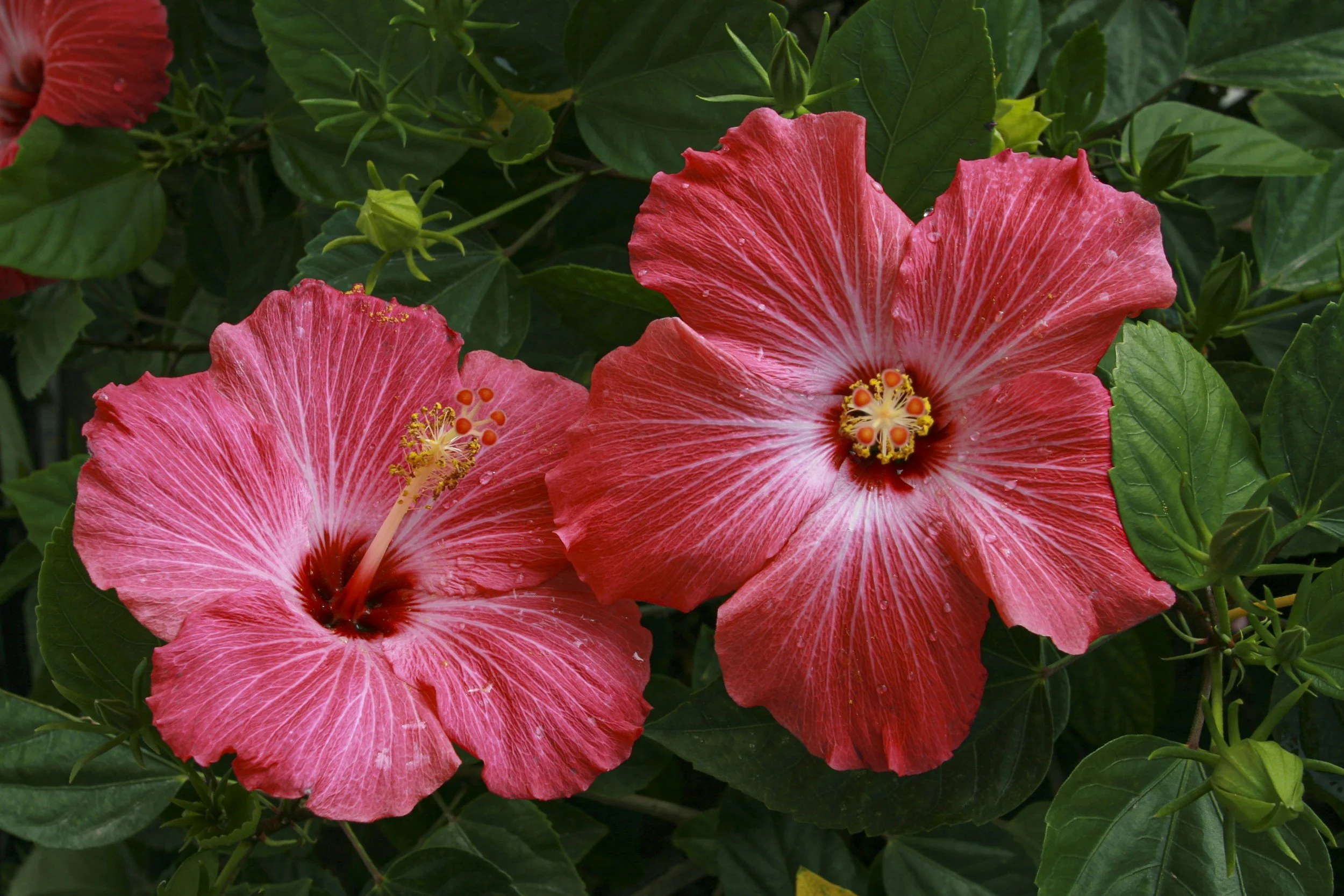
Hibiscus flowers are naturally rich in anthocyanins and other polyphenols. These plant compounds help protect endothelial cells from oxidative stress, allowing them to function more effectively.
Research also suggests hibiscus may help support the body's normal production and regulation of nitric oxide, encouraging healthy blood vessel relaxation rather than forcing it. Some studies have also found that hibiscus has ACE-inhibiting activity. The ACE enzyme forms part of the renin-angiotensin system, one of the body's main regulators of blood pressure. By gently influencing this system, hibiscus may further support healthy vascular function.
In addition, hibiscus has mild natural diuretic properties, helping the body remove excess fluid. Together, these mechanisms may explain why regular hibiscus consumption has been associated with reductions in blood pressure in clinical studies.
Making Hibiscus Tea for High Blood Pressure
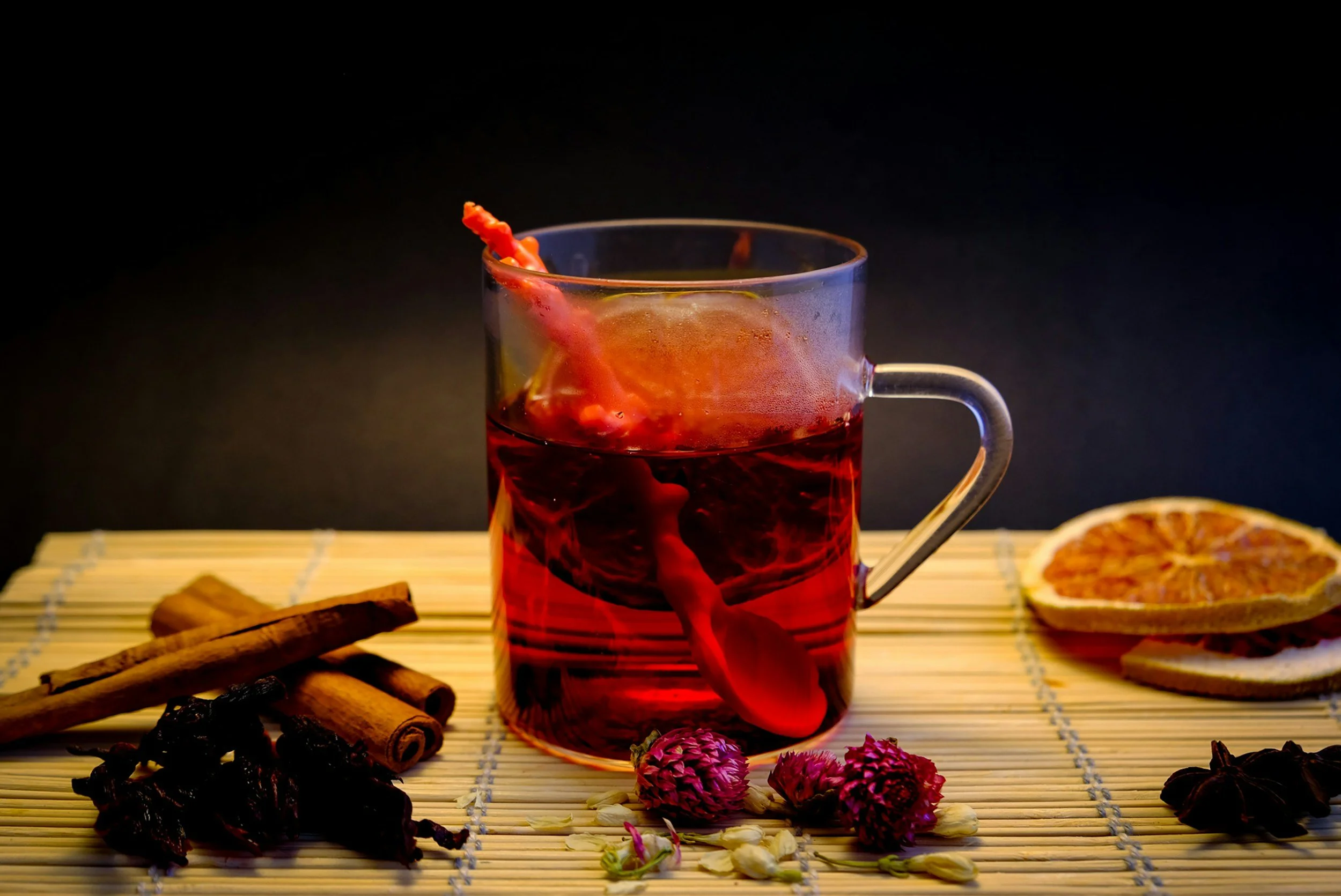
Ingredients
1 teaspoon dried hibiscus flowers
250ml filtered water
(or 3 teaspoons in a 750ml teapot)
Recipe
1. Steep one to two teaspoons of dried hibiscus flowers in freshly boiled water for five to ten minutes before straining.
2. Its refreshing, slightly tart flavour makes it enjoyable either hot or cold, and one cup each day is an easy heart-healthy habit for many people to maintain. Add fresh ginger, cinnamon, clove or vanilla to taste.
Can I drink more than one cup a day?
So (like my Mum) I naturally have what is considered to be low blood pressure (on average 90/60), so I can only enjoy a cup of Hibiscus tea once or twice per week.
For general wellness and to boost antioxidant intake, it’s generally recommended to drink a cup of hibiscus tea per day.
For those seeking to lower blood pressure naturally, drinking three cups throughout the day is a good aim. Consistency is key here, and we’ve noted that it can take six to eight weeks of drinking hibiscus tea daily for blood pressure to reduce.
And of course, anyone already taking blood pressure medication, or who naturally has low blood pressure, should monitor their blood pressure regularly.
Research Articles -
¹ https://www.medrxiv.org/content/10.1101/2025.08.01.25332612v1.full
² https://jn.nutrition.org/article/S0022-3166(22)06963-2/fulltext